The landscape of healthcare is rapidly evolving, with a significant shift towards providing quality medical care within the comfort of patients’ homes. Medical devices designed for home care play a pivotal role in this transformation, empowering individuals to manage their health effectively and improving overall healthcare outcomes. This exploration delves into the diverse world of home care medical devices, examining their market trends, technological advancements, regulatory aspects, and societal impact.
From simple blood pressure monitors to sophisticated telehealth systems, these devices offer a range of functionalities catering to diverse health needs. This overview aims to provide a comprehensive understanding of this crucial sector, highlighting its growth potential and the challenges it faces while exploring its significant contributions to modern healthcare.
Market Overview of Home Care Medical Devices
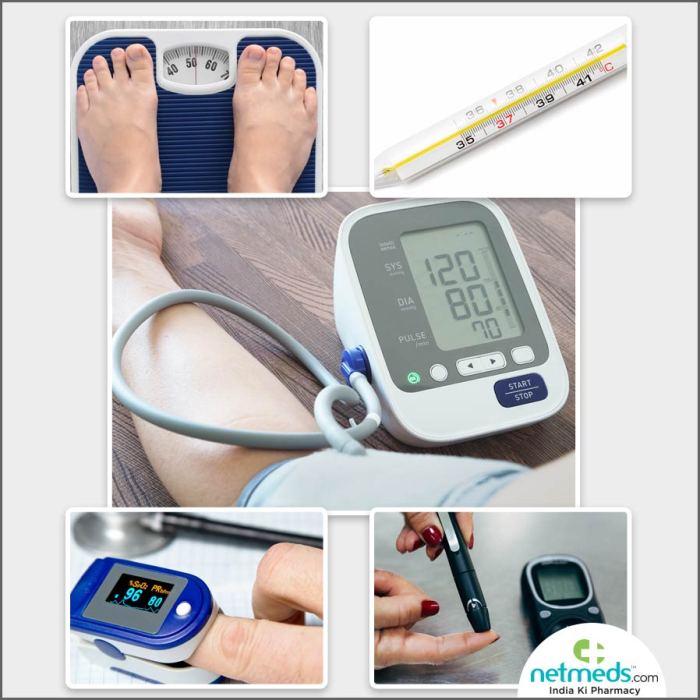
The home care medical devices market is experiencing significant growth, driven by an aging global population, increasing prevalence of chronic diseases, and a preference for receiving care in familiar and comfortable environments. This shift towards home-based healthcare is reshaping the medical device landscape, creating opportunities for innovative solutions and improved patient outcomes. This market overview will analyze key trends, market size, growth rates, and leading players within this dynamic sector.
Market Size, Growth Rate, and Key Players
The home healthcare medical devices market is vast and diverse. Precise figures vary depending on the source and definition of “home care,” but it’s a multi-billion dollar industry exhibiting robust growth. The following table provides a summarized overview, acknowledging that precise data can fluctuate due to market dynamics and varying reporting methodologies. The data presented here is a generalized representation based on industry reports and analyses from reputable sources, and should not be considered completely precise.
| Device Type | Market Size (USD Billion, Approximate) | Growth Rate (CAGR, Approximate) | Key Players (Examples) |
|---|---|---|---|
| Monitoring Devices (e.g., blood pressure monitors, glucose meters, pulse oximeters) | 15-20 | 5-7% | Omron, Medtronic, Abbott Laboratories |
| Respiratory Devices (e.g., CPAP machines, nebulizers, oxygen concentrators) | 10-15 | 6-8% | Philips Respironics, ResMed, Fisher & Paykel Healthcare |
| Infusion Pumps and Delivery Systems | 8-12 | 4-6% | Baxter International, Medtronic, Smiths Medical |
| Other Devices (e.g., wound care devices, mobility aids, telehealth platforms) | 20-25 | 7-9% | Many smaller companies and specialized players |
Factors Driving Market Growth
Several factors contribute to the substantial growth of the home care medical devices market. These include:* Aging Population: The global population is aging rapidly, leading to a greater demand for chronic disease management and long-term care solutions, many of which are provided in the home setting. The increased elderly population requires more medical devices for managing conditions like diabetes, heart disease, and respiratory illnesses.* Technological Advancements: Innovations in areas such as remote monitoring, telehealth, and connected devices are enabling more effective and convenient home healthcare.
Miniaturization, improved accuracy, and wireless connectivity are key advancements.* Rising Prevalence of Chronic Diseases: Chronic conditions like diabetes, heart disease, and respiratory illnesses are on the rise globally, requiring ongoing medical management, often best delivered at home. This increases the need for devices for self-monitoring and medication delivery.* Cost-Effectiveness: Home healthcare is often a more cost-effective alternative to hospital or nursing home care, making it an attractive option for patients, insurers, and healthcare providers.
Reduced hospital readmissions are a significant cost-saving benefit.* Increased Patient Preference: Many patients prefer to receive care in the comfort and privacy of their homes, leading to a growing demand for home-based healthcare services and related devices. This preference reflects a desire for greater autonomy and independence.
Examples of Innovative Home Care Medical Devices
The last five years have witnessed a surge in innovative home care medical devices. Examples include:* Smart Insulin Pens: These devices offer features like dose tracking, medication reminders, and data sharing with healthcare providers, improving diabetes management. For example, several companies have released smart pens that integrate with mobile apps to track insulin doses and blood glucose levels.* Wearable Cardiac Monitors: Advanced wearable devices continuously monitor heart rhythm and other vital signs, providing early detection of potential cardiac events and enabling timely intervention.
Examples include devices that can detect atrial fibrillation and transmit data wirelessly to a healthcare provider.* Remote Patient Monitoring (RPM) Systems: These systems use connected devices and software to remotely monitor patients’ vital signs and other health data, enabling proactive intervention and improved patient outcomes. Many RPM systems incorporate wearable sensors and mobile applications to facilitate remote monitoring and communication between patients and healthcare providers.* Advanced Nebulizers: Nebulizers with improved drug delivery systems and features like medication reminders and dose tracking are enhancing respiratory care at home.
Some newer nebulizers use mesh technology for more efficient drug delivery and quieter operation.
Related Discussion
The interconnectedness of medical devices, medical research, and medical services is fundamental to advancing healthcare and improving patient outcomes, particularly within the home care setting. These three areas are not independent entities but rather components of a complex, interdependent system that constantly evolves and innovates. Understanding their relationship is crucial for developing and implementing effective home care strategies.The development and application of medical devices are heavily reliant on advancements in medical research and the needs identified within medical services.
Conversely, medical research is driven by the limitations of existing medical devices and the challenges faced in providing optimal medical services. Medical services, in turn, rely on both medical devices and the findings of medical research to deliver effective and efficient care.
The Interrelationship Between Medical Devices, Medical Research, and Medical Services
The connections between medical devices, medical research, and medical services are multifaceted and dynamic. These relationships drive innovation and improve the quality of healthcare.
- Medical Research informs Medical Device Development: Research into disease mechanisms, patient physiology, and material science directly influences the design, functionality, and safety of medical devices. For example, advancements in nanotechnology have led to the development of smaller, more efficient drug delivery systems for home use.
- Medical Devices facilitate Medical Research: New medical devices often create opportunities for further research. For instance, implantable cardiac monitors provide valuable data for research into heart disease progression and treatment efficacy, informing the development of future devices and therapies.
- Medical Services drive the demand for Medical Devices: The needs of patients and healthcare providers in various medical service settings, including home care, shape the demand for specific types of medical devices. The increasing prevalence of chronic diseases has driven the development of sophisticated home monitoring and therapy devices.
- Medical Services evaluate the effectiveness of Medical Devices: Clinical trials and real-world data collected through medical services are crucial for evaluating the safety and efficacy of medical devices. This feedback loop is essential for improving device design and ensuring patient safety.
- Medical Research informs Medical Services: Research findings on disease prevention, diagnosis, and treatment directly impact medical service delivery. For example, research on telehealth technologies has enabled the expansion of home-based medical services.
Advancements in Medical Research and the Development of New Home Care Medical Devices
Advancements in medical research are the primary catalyst for innovation in home care medical devices. These advancements lead to the development of smaller, more efficient, and user-friendly devices that allow for increased patient autonomy and improved healthcare outcomes. For example, miniaturization of sensors and improvements in wireless communication technology have enabled the development of wearable devices that continuously monitor vital signs and transmit data to healthcare providers remotely.
Similarly, research in biomaterials has led to the creation of more comfortable and biocompatible implantable devices for home use. The development of sophisticated algorithms and artificial intelligence (AI) further enhances the capabilities of home care devices, enabling early detection of health issues and personalized treatment plans.
Roles of Different Healthcare Professionals in Home Care Medical Services
A variety of healthcare professionals play crucial roles in delivering home care medical services, each contributing unique expertise and skills.
- Physicians: Physicians provide overall medical direction, diagnose illnesses, prescribe medications, and oversee the patient’s treatment plan. They may conduct virtual consultations or home visits.
- Registered Nurses (RNs): RNs administer medications, monitor vital signs, educate patients and families on disease management, and provide wound care. They play a central role in coordinating home care services.
- Licensed Practical Nurses (LPNs): LPNs assist RNs in providing patient care, monitoring vital signs, and administering medications under the supervision of an RN or physician.
- Physical Therapists (PTs): PTs work with patients to improve mobility, strength, and balance, helping them regain independence and prevent falls.
- Occupational Therapists (OTs): OTs help patients adapt to their environment and perform daily living activities, such as dressing and eating.
- Home Health Aides (HHAs): HHAs provide basic personal care, such as bathing, dressing, and toileting, and assist with household chores.
- Medical Equipment Technicians: These technicians ensure that home medical equipment is properly functioning, installed, and maintained.
In conclusion, medical devices for home care represent a dynamic and rapidly growing sector with immense potential to revolutionize healthcare delivery. Technological advancements, coupled with evolving regulatory landscapes, continue to shape the future of this field. As these devices become increasingly sophisticated and accessible, they promise to enhance patient well-being, improve healthcare efficiency, and ultimately contribute to a more equitable and effective healthcare system.
The ongoing development and integration of these technologies hold the key to transforming how we approach healthcare, ensuring that quality care is available to all, regardless of location.
FAQ Corner
What are the potential risks associated with using home care medical devices?
Potential risks include device malfunction, inaccurate readings, improper use by patients, and data security concerns. Thorough training and regular maintenance are crucial to mitigate these risks.
How do I choose the right home care medical device for my needs?
Consult with your healthcare provider to determine the appropriate devices based on your specific health conditions and needs. Consider factors like ease of use, accuracy, and data connectivity.
Are home care medical devices covered by insurance?
Coverage varies depending on the specific device, insurance plan, and location. Check with your insurance provider to determine coverage eligibility.
How do I ensure the accuracy and reliability of my home care medical device?
Regular calibration and maintenance are essential. Follow manufacturer instructions carefully and consider professional servicing as needed. Compare readings with those obtained from a healthcare professional periodically.