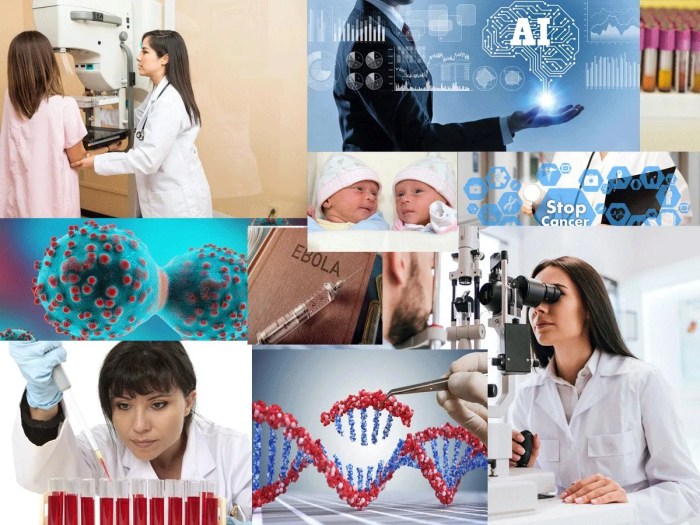
The world of medicine is constantly evolving, propelled by relentless research and groundbreaking discoveries. This exploration delves into the latest advancements across various medical fields, highlighting significant progress in cancer treatment, infectious disease control, neurological disorder management, cardiovascular health, and the transformative impact of innovative medical devices. We will examine not only the scientific breakthroughs but also the ethical considerations and funding challenges that shape the future of healthcare.
From revolutionary immunotherapies reshaping cancer treatment to the development of novel vaccines combating antibiotic resistance, the pace of medical innovation is truly remarkable. This overview aims to provide a concise yet comprehensive understanding of these advancements, their implications, and the ongoing efforts to translate research into tangible improvements in patient care worldwide.
Infectious Disease Research
The field of infectious disease research is constantly evolving, driven by the urgent need to combat emerging threats and overcome the challenges posed by antibiotic resistance. Recent breakthroughs offer significant hope in preventing, diagnosing, and treating a wide range of infectious diseases. This section will highlight some of the most promising advancements.
New Vaccine Development
Significant progress has been made in vaccine development, particularly in the realm of mRNA vaccines. The rapid development and deployment of mRNA vaccines against COVID-19 demonstrated the potential of this technology to respond quickly to emerging infectious diseases. Furthermore, research is ongoing to develop mRNA vaccines for other viruses, including influenza and HIV, aiming for improved efficacy, safety, and broader protection.
Beyond mRNA technology, advancements in vector-based vaccines and novel adjuvant formulations are also contributing to more effective and accessible vaccines globally. These advancements are crucial for protecting populations from preventable diseases and reducing the burden on healthcare systems.
Combating Antibiotic Resistance
The rise of antibiotic-resistant bacteria poses a major threat to global health. Research efforts are focused on several key strategies to combat this crisis. These include the development of new antibiotics with novel mechanisms of action, exploring alternative therapeutic approaches such as bacteriophages (viruses that infect bacteria), and implementing strategies to reduce antibiotic overuse and misuse. Furthermore, significant advancements are being made in understanding the genetic mechanisms that drive antibiotic resistance, which is crucial for developing targeted interventions.
For example, research into the development of inhibitors targeting specific resistance mechanisms shows considerable promise.
Advancements in Diagnostic Tools
Rapid and accurate diagnosis is critical for effective management of infectious diseases. Recent advancements in diagnostic tools have significantly improved the speed and accuracy of detection. These include the development of point-of-care diagnostics, which allow for rapid testing in resource-limited settings, and the application of advanced molecular techniques such as PCR and next-generation sequencing for the identification of pathogens and the characterization of their genetic makeup.
These advancements enable faster treatment initiation, improved infection control measures, and better surveillance of outbreaks. For instance, rapid antigen tests for COVID-19 allowed for quicker identification of infected individuals, facilitating better public health responses.
Top Five Infectious Diseases Under Intensive Research and Their Breakthroughs
The following list highlights five infectious diseases currently under intensive research, along with some notable breakthroughs:
- HIV: Significant progress has been made in developing long-acting antiretroviral therapies, leading to improved adherence and viral suppression. Research on HIV vaccines continues, with several promising candidates undergoing clinical trials.
- Tuberculosis (TB): New diagnostic tools are improving the detection of latent TB infection, allowing for earlier intervention. Research is focused on developing new drugs to treat drug-resistant TB.
- Malaria: New antimalarial drugs are under development, targeting drug-resistant strains. The development of more effective vaccines remains a significant area of research.
- Influenza: Research is ongoing to develop universal influenza vaccines that provide broader protection against various influenza strains. Improved surveillance systems are helping to track the emergence of new strains.
- Antibiotic-resistant bacteria: Research focuses on developing new antibiotics, alternative therapies (like bacteriophages), and strategies to reduce antibiotic use. Understanding the genetic mechanisms driving resistance is crucial for developing targeted interventions.
Neurological Disorders Research
Recent years have witnessed significant advancements in our understanding and treatment of neurological disorders. This progress stems from a multi-pronged approach encompassing genetic research, innovative drug development, and refined diagnostic techniques. While challenges remain, the potential for improved patient outcomes is substantial.
Latest Breakthroughs in Alzheimer’s and Parkinson’s Disease Research
Research into Alzheimer’s disease has yielded promising results in identifying biomarkers that can detect the disease earlier and more accurately. For example, the detection of specific proteins in cerebrospinal fluid or through advanced imaging techniques is showing improved accuracy in early diagnosis. In Parkinson’s disease research, breakthroughs focus on understanding the underlying mechanisms of neurodegeneration and developing therapies targeting specific pathways involved in the disease’s progression.
Studies exploring the role of alpha-synuclein aggregation and mitochondrial dysfunction are paving the way for novel therapeutic strategies. Furthermore, ongoing clinical trials are investigating the potential of disease-modifying therapies, aiming to slow or halt the progression of both diseases, rather than just managing symptoms.
The Potential of Gene Therapy in Treating Neurological Disorders
Gene therapy holds immense potential for treating a range of neurological disorders. This approach involves modifying or replacing faulty genes responsible for the disease. For example, in inherited neurological conditions, gene therapy could correct the genetic defect, potentially preventing or significantly reducing disease progression. While still in its relatively early stages for widespread application, successful clinical trials have demonstrated its efficacy in specific neurological conditions.
The challenges lie in efficiently delivering the therapeutic gene to the target cells in the brain and minimizing potential off-target effects. However, ongoing research is addressing these limitations, and gene therapy shows significant promise as a future treatment modality.
Effectiveness of Different Drug Therapies for Managing Epilepsy
Epilepsy management involves a range of anti-seizure medications (ASMs), each with its own mechanism of action and efficacy profile. First-line treatments often include levetiracetam, lamotrigine, and valproate. However, the optimal choice of ASM depends on several factors, including the type of epilepsy, the patient’s age, and the presence of comorbidities. Some ASMs are more effective for certain seizure types, while others may have a broader spectrum of activity.
Furthermore, individual patient responses to ASMs can vary significantly, requiring careful monitoring and adjustments in medication regimens. In cases where initial treatments are ineffective, surgical intervention or other advanced therapies may be considered.
Multiple Sclerosis: Symptoms and Potential Treatments
Multiple sclerosis (MS) is a complex autoimmune disease affecting the central nervous system. The symptoms and their severity vary widely among individuals.
| Symptoms | Potential Treatments |
|---|---|
| Fatigue, numbness, tingling, muscle weakness, vision problems, balance difficulties, cognitive impairment | Disease-modifying therapies (DMTs) such as interferon beta, glatiramer acetate, natalizumab, and others; symptomatic treatments for specific symptoms like muscle spasms or pain; rehabilitation therapies. |
Cardiovascular Disease Research
Cardiovascular disease (CVD) remains a leading cause of death globally, highlighting the critical need for ongoing research and innovation. Recent advancements in minimally invasive procedures, a deeper understanding of lifestyle’s impact, and breakthroughs in heart failure treatment offer significant hope for improving patient outcomes and reducing CVD’s burden.Advances in minimally invasive cardiac procedures, coupled with improved diagnostic tools, are revolutionizing the treatment landscape.
These procedures, often involving smaller incisions and less trauma, lead to shorter hospital stays, faster recovery times, and reduced risk of complications compared to traditional open-heart surgery.
Minimally Invasive Cardiac Procedures
Minimally invasive cardiac procedures encompass a range of techniques, including catheter-based interventions like angioplasty and stenting for blocked arteries, and minimally invasive valve repair or replacement. Transcatheter aortic valve replacement (TAVR), for example, allows for the replacement of a diseased aortic valve through a small incision in the leg, eliminating the need for open-chest surgery. This is particularly beneficial for patients considered high-risk for traditional surgery.
Another example is robotic-assisted coronary artery bypass grafting (CABG), offering enhanced precision and dexterity during surgery, resulting in smaller incisions and reduced post-operative pain.
Lifestyle Changes and Cardiovascular Health
Maintaining a healthy lifestyle plays a crucial role in preventing and managing CVD. Research consistently demonstrates a strong correlation between lifestyle factors and cardiovascular health. Adopting a diet rich in fruits, vegetables, and whole grains, while limiting saturated and trans fats, sodium, and processed foods, significantly reduces the risk of heart disease. Regular physical activity, maintaining a healthy weight, and avoiding smoking are equally vital.
Studies have shown that even modest lifestyle modifications can have a profound impact on blood pressure, cholesterol levels, and overall cardiovascular risk. For instance, a study published in the “Journal of the American Medical Association” showed that individuals who incorporated regular exercise and a balanced diet experienced a significant reduction in their risk of developing heart disease compared to a control group.
Heart Failure Treatment Research
Heart failure, a condition where the heart cannot pump enough blood to meet the body’s needs, is a significant public health concern. Recent research focuses on improving existing treatments and developing novel therapeutic strategies. These advancements include the development of new drugs targeting specific mechanisms involved in heart failure progression, such as those inhibiting the renin-angiotensin-aldosterone system (RAAS) and those improving the heart’s ability to contract.
Furthermore, cardiac resynchronization therapy (CRT), which uses a pacemaker to coordinate the heart’s electrical activity, has proven effective in improving symptoms and survival in patients with certain types of heart failure. Advanced diagnostic tools allow for earlier detection and personalized treatment plans, leading to better outcomes. For example, biomarkers in blood samples can now help predict the likelihood of heart failure progression, enabling proactive intervention.
Coronary Artery Disease Diagnostic Pathway
The diagnostic pathway for coronary artery disease (CAD) typically begins with a thorough evaluation of the patient’s symptoms, medical history, and risk factors. This initial assessment often includes a physical examination and non-invasive tests.
A flowchart illustrating the diagnostic pathway for CAD would start with the patient presenting symptoms (chest pain, shortness of breath, etc.). This leads to an initial assessment involving risk factor analysis (age, family history, smoking, hypertension, diabetes, etc.). Based on this, non-invasive tests like electrocardiogram (ECG), echocardiogram, and stress tests may be ordered. If these tests suggest significant CAD, then coronary angiography (a more invasive procedure) is usually performed to visualize the coronary arteries and assess the extent of blockage. Finally, based on the angiogram results, a treatment plan is devised, which might involve medical management, angioplasty, stenting, or coronary artery bypass grafting.
Medical Devices
Advancements in medical technology have revolutionized healthcare, impacting both medical research and the delivery of services. The development and refinement of sophisticated medical devices have led to more accurate diagnoses, less invasive procedures, improved patient outcomes, and a greater emphasis on preventative care. This section will explore several key areas where medical devices have made a significant contribution.Medical imaging technology has dramatically improved diagnostic capabilities.
Sophisticated techniques like MRI, CT scans, and PET scans provide detailed images of internal organs and tissues, allowing physicians to identify diseases and injuries with greater accuracy and speed than ever before. This enhanced diagnostic precision leads to earlier interventions, more effective treatment plans, and improved patient prognoses. For example, the development of higher-resolution MRI machines has allowed for the detection of smaller tumors, leading to earlier cancer diagnosis and treatment.
Robotic Surgery and Enhanced Surgical Precision
Robotic surgery utilizes advanced robotic systems to assist surgeons in performing minimally invasive procedures. These robots offer enhanced dexterity, precision, and control compared to traditional open surgery. The smaller incisions associated with robotic surgery result in less pain, reduced scarring, shorter hospital stays, and faster recovery times for patients. Furthermore, the magnified 3D visualization provided by robotic systems allows surgeons to operate with greater accuracy, leading to improved surgical outcomes and reduced risk of complications.
A notable example is the da Vinci Surgical System, which has been widely adopted for various surgical specialties.
Wearable Health Monitoring Devices and Preventative Care
The proliferation of wearable health monitoring devices has significantly impacted preventative care. Smartwatches, fitness trackers, and other wearable sensors continuously collect data on various physiological parameters, such as heart rate, activity levels, sleep patterns, and even blood oxygen saturation. This data allows individuals to monitor their health status, identify potential health risks early on, and make informed decisions about their lifestyle choices.
For example, wearable devices have been instrumental in detecting irregular heart rhythms, prompting individuals to seek medical attention and potentially preventing serious cardiac events. The integration of this data with telehealth platforms further enhances the effectiveness of preventative care.The Impact of Medical Devices on Research and ServicesThe following medical devices have significantly impacted medical research and services in the last decade:
- Implantable Cardioverter-Defibrillators (ICDs): These devices have advanced significantly, offering more sophisticated arrhythmia detection and treatment capabilities, leading to improved survival rates for patients with life-threatening heart conditions.
- Minimally Invasive Surgical Instruments: The development of smaller, more precise surgical instruments has expanded the possibilities of minimally invasive surgery, leading to improved patient outcomes and reduced recovery times.
- Advanced Imaging Systems (e.g., high-resolution MRI, PET/CT): These systems have provided unprecedented levels of detail in medical imaging, enabling earlier and more accurate diagnosis of various diseases.
- Continuous Glucose Monitoring (CGM) Systems: These systems provide real-time glucose data for individuals with diabetes, enabling better management of blood sugar levels and reducing the risk of complications.
- Cochlear Implants: Advances in cochlear implant technology have significantly improved the quality of life for individuals with profound hearing loss, enabling them to better participate in society.
Medical Research Funding and Collaboration
The landscape of medical research funding is complex and dynamic, influenced by global economic conditions, shifting political priorities, and the ever-evolving needs of public health. Securing funding is a critical challenge for researchers, often requiring a highly competitive application process and a compelling demonstration of potential impact. The sources of funding are diverse, ranging from governmental agencies to private foundations and pharmaceutical companies, each with its own priorities and criteria.
This intricate funding ecosystem significantly shapes the direction and pace of medical advancements.The current landscape of medical research funding is characterized by a combination of public and private investment. Governmental agencies, such as the National Institutes of Health (NIH) in the United States and the Wellcome Trust in the United Kingdom, play a crucial role by providing substantial funding for basic and translational research across various disease areas.
Private foundations, like the Bill & Melinda Gates Foundation, also contribute significantly, often focusing on specific global health challenges or emerging infectious diseases. Pharmaceutical companies invest heavily in research and development, primarily focused on drug discovery and development for commercial purposes. This multifaceted funding system, while crucial for driving innovation, also presents complexities and potential biases in research priorities.
International Collaborations in Accelerating Medical Breakthroughs
International collaborations are essential for accelerating medical breakthroughs. Pooling resources, expertise, and data across national borders allows for larger-scale studies, faster progress in drug development, and more efficient dissemination of research findings. For instance, the global effort to develop COVID-19 vaccines exemplifies the power of international collaboration, with researchers and organizations worldwide sharing data, expertise, and resources to achieve an unprecedented speed of vaccine development and deployment.
Furthermore, tackling diseases like malaria or tuberculosis, which disproportionately affect low-income countries, necessitates international partnerships to ensure equitable access to research and treatment. Such collaborations often involve sharing research data, establishing joint research centers, and coordinating clinical trials across different geographical regions.
Challenges and Opportunities in Translating Research Findings into Clinical Practice
Translating research findings into clinical practice presents significant challenges. The process often involves navigating regulatory hurdles, securing funding for clinical trials, overcoming logistical complexities in implementing new treatments or technologies, and addressing potential barriers to adoption within healthcare systems. However, there are also considerable opportunities. Innovative approaches, such as the use of big data and artificial intelligence, can accelerate the translation process.
Furthermore, increased collaboration between researchers, clinicians, and healthcare policymakers can facilitate a more seamless transition from the laboratory to the clinic. For example, the rapid adoption of telehealth during the COVID-19 pandemic demonstrated the potential for leveraging technological advancements to improve access to care and accelerate the implementation of evidence-based practices.
Major Funding Organizations for Medical Research
The following table highlights some major funding organizations for medical research, their focus areas, and notable recent grants.
| Organization | Focus Areas | Notable Recent Grant (Example) |
|---|---|---|
| National Institutes of Health (NIH) | A wide range of biomedical and public health research | $400 million awarded to research on Alzheimer’s disease |
| Wellcome Trust | Global health research, particularly infectious diseases and neglected tropical diseases | Funding for research on the development of new antimalarial drugs |
| Bill & Melinda Gates Foundation | Global health and development, with a focus on infectious diseases, poverty, and climate change | Significant investment in research on COVID-19 vaccine development |
| European Research Council (ERC) | Frontier research across all scientific disciplines, including medical research | Grants supporting innovative research on cancer immunotherapy |
In conclusion, the latest medical research breakthroughs represent a beacon of hope for countless individuals facing debilitating diseases. The advancements discussed, ranging from targeted cancer therapies to minimally invasive cardiac procedures and gene editing technologies, showcase the power of scientific collaboration and innovation. While challenges remain in equitable access and ethical considerations, the continued pursuit of medical knowledge promises a brighter and healthier future for all.
Common Queries
What are the biggest challenges in translating research findings into clinical practice?
Major challenges include securing funding for clinical trials, navigating complex regulatory processes, and ensuring equitable access to new treatments across diverse populations.
How are advancements in medical imaging impacting diagnostics?
Advancements like AI-powered image analysis and higher-resolution scans are enabling earlier and more accurate diagnoses, leading to improved treatment outcomes.
What is the role of international collaborations in medical research?
International collaborations pool resources, expertise, and diverse perspectives, accelerating research and fostering innovation in tackling global health challenges.
What ethical concerns are raised by gene editing technologies?
Ethical concerns include the potential for unintended consequences, germline editing implications, and equitable access to these potentially life-altering technologies.


