
Access to affordable medical services is a critical determinant of public health. This exploration delves into the multifaceted nature of affordability, considering not only the financial aspect but also accessibility and quality of care. We’ll examine various healthcare models, explore barriers to access, and discuss innovative solutions to bridge the gap between need and provision, particularly for underserved populations.
The discussion will encompass the roles of medical devices, research advancements, and government policies in shaping the landscape of affordable healthcare. We’ll analyze how cost-effective technologies, impactful research, and supportive government initiatives can improve access and outcomes. Finally, we’ll consider the future of affordable medical services, including the potential of telehealth and other technological advancements.
The Role of Medical Devices in Affordability
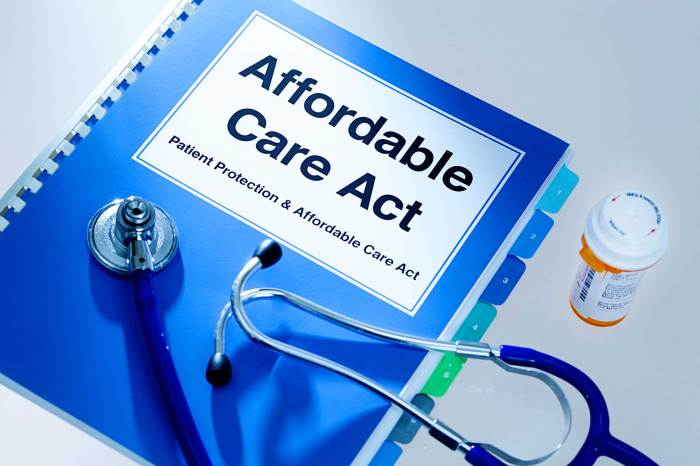
Medical devices play a significant role in determining the overall affordability of healthcare. Their costs, ranging from relatively inexpensive items like bandages to highly sophisticated imaging equipment, directly impact patient expenses, insurance premiums, and healthcare system budgets. Understanding the factors influencing device costs and exploring strategies for affordability is crucial for improving access to quality healthcare.The cost of medical devices impacts the overall affordability of healthcare in several ways.
High device prices can lead to increased healthcare expenditures for individuals and insurance companies, potentially limiting access to necessary treatments and procedures. Furthermore, the cost of devices influences the pricing of medical services themselves, as hospitals and clinics factor in device expenses when setting their fees. This can create a cascading effect, making healthcare less affordable for patients and increasing the financial burden on the healthcare system as a whole.
Cost-Effective Medical Device Development and Implementation
Developing and implementing cost-effective medical devices involves a multi-faceted approach. Manufacturers employ strategies such as utilizing less expensive materials, streamlining manufacturing processes, and focusing on simpler designs without compromising safety or efficacy. Regulatory bodies also play a crucial role by streamlining approval processes for devices that demonstrate both cost-effectiveness and clinical benefit. Government initiatives and public-private partnerships can further incentivize the development and adoption of affordable medical devices through funding, grants, and tax breaks.
For example, initiatives focusing on generic versions of medical devices, similar to generic pharmaceuticals, are showing promise in lowering costs.
Pricing Strategies of Medical Device Manufacturers
Medical device manufacturers employ diverse pricing strategies, influenced by factors such as research and development costs, manufacturing expenses, regulatory hurdles, and market competition. Some manufacturers utilize a value-based pricing model, where the price reflects the clinical benefits and improved patient outcomes the device provides. Others employ cost-plus pricing, where the price is determined by adding a markup to the cost of production.
Patent protection can allow manufacturers to command higher prices for a period, while competition from generic or biosimilar devices can drive prices down. Negotiations with healthcare providers and insurance companies also play a significant role in determining the final price paid for medical devices.
Comparison of Medical Devices
The following table compares three different medical devices – a basic blood pressure monitor, a minimally invasive surgical tool (laparoscope), and a sophisticated MRI machine – based on cost, efficacy, and accessibility. These examples highlight the wide range of costs and complexities associated with medical devices and their impact on affordability.
| Device | Cost | Efficacy | Accessibility |
|---|---|---|---|
| Basic Blood Pressure Monitor | Relatively low; widely available at various price points. | Effective for monitoring blood pressure at home. | High; readily available in pharmacies and online. |
| Laparoscope | Moderate to high; cost varies based on features and technology. | Highly effective for minimally invasive surgeries, leading to faster recovery times and reduced complications. | Moderate; access depends on hospital resources and insurance coverage. |
| MRI Machine | Very high; significant investment for hospitals and imaging centers. | Highly effective for detailed imaging of internal organs and tissues. | Moderate to low; access depends on availability of facilities and insurance coverage. Often requires referrals. |
The Impact of Medical Research on Affordability
Medical research plays a pivotal role in making healthcare more affordable. By driving innovation in treatments and technologies, research ultimately reduces the overall cost of care, improves patient outcomes, and enhances the efficiency of healthcare systems. However, translating groundbreaking research into widely accessible and affordable solutions presents significant challenges.Medical research contributes to affordability through the development of cheaper and more effective treatments.
This includes the discovery of new drugs and therapies that are less expensive to produce and administer, as well as the creation of innovative medical devices that streamline procedures and reduce the need for lengthy hospital stays. Furthermore, advancements in diagnostics allow for earlier and more accurate detection of diseases, leading to less costly interventions in the long run.
Challenges in Translating Research Findings into Affordable Healthcare Solutions
The path from laboratory discovery to affordable healthcare is often long and complex. High costs associated with clinical trials, regulatory approvals, and manufacturing are major hurdles. Intellectual property rights and patent protection can also restrict access to new technologies, limiting their affordability. Furthermore, the complex interplay between research, development, regulation, and market forces can create significant delays and increase the final cost to the consumer.
Successfully navigating these challenges requires collaboration between researchers, pharmaceutical companies, regulatory bodies, and healthcare providers to ensure equitable access to the benefits of medical innovation.
Examples of Cost Reductions Due to Medical Research
The development of generic drugs provides a clear example of how research indirectly leads to cost reductions. Once a drug’s patent expires, generic versions can be produced and sold at significantly lower prices, making essential medications more accessible to a wider population. For instance, the introduction of generic statins has dramatically reduced the cost of cholesterol-lowering therapy. Similarly, advancements in minimally invasive surgical techniques, guided by improved imaging technologies, have shortened hospital stays and reduced recovery times, resulting in lower overall healthcare expenses.
The development of effective vaccines, like those for polio and measles, has virtually eradicated these diseases in many parts of the world, leading to immense savings in treatment costs and increased societal productivity.
Timeline of Major Medical Breakthroughs and Their Impact on Healthcare Costs
The following timeline illustrates how significant medical advancements have historically influenced healthcare costs, often initially increasing them before long-term cost savings materialize:
| Year | Breakthrough | Impact on Healthcare Costs |
|---|---|---|
| 1928 | Discovery of Penicillin | Initially expensive, but revolutionized treatment of bacterial infections, ultimately leading to significant cost savings by reducing mortality and length of hospital stays. |
| 1950s-1960s | Development of Polio Vaccine | High initial investment, but drastically reduced the cost of treating and managing polio, ultimately saving billions in healthcare expenditure. |
| 1980s-Present | Development of Antiretroviral Therapy (ART) for HIV/AIDS | Initially very expensive, but ART has significantly improved the quality of life for people with HIV and reduced healthcare costs associated with managing opportunistic infections. Generic versions have made treatment more affordable in many regions. |
| 1990s-Present | Advancements in Minimally Invasive Surgery | Higher initial investment in technology, but reduced hospital stays, recovery times, and overall healthcare costs. |
Medical Services, Devices, and Research
Achieving affordable healthcare requires a synergistic approach that integrates medical services, devices, and research. These three areas are intrinsically linked, with advancements in one significantly impacting the others and ultimately influencing the overall cost and accessibility of healthcare. Understanding their interconnectedness is crucial for developing effective strategies to improve affordability.The relationship between medical services, devices, and research is complex and dynamic.
Advancements in medical research, for example, often lead to the development of innovative medical devices. These new devices can then improve the efficiency and effectiveness of medical services, potentially reducing costs in the long run by enabling earlier diagnosis, less invasive procedures, or improved treatment outcomes. Conversely, the needs and challenges encountered within medical services often drive research into new diagnostic tools, treatments, and preventative measures.
This cyclical relationship highlights the importance of considering these three elements holistically.
The Interplay of Medical Services, Devices, and Research on Affordability
Medical research fuels innovation in medical devices, leading to more effective and potentially less expensive treatments. For instance, advancements in genomics have enabled the development of personalized medicine, tailoring treatments to individual patients and potentially reducing the need for expensive trial-and-error approaches. Similarly, research into minimally invasive surgical techniques has resulted in smaller incisions, shorter hospital stays, and faster recovery times, all contributing to lower overall healthcare costs.
The development of cheaper, more efficient diagnostic tools through research also reduces the cost of initial assessments and facilitates earlier intervention, minimizing the need for more expensive treatments later. Conversely, the limitations and inefficiencies identified within existing medical services can pinpoint areas where research and development are most urgently needed.
Challenges and Opportunities in Achieving Affordability
Challenges in achieving affordability are present across all three areas. Medical research is often expensive, requiring significant investment in infrastructure, personnel, and clinical trials. The high cost of developing new medical devices can limit their accessibility, particularly in low-resource settings. Furthermore, the cost of delivering medical services, including physician salaries, hospital infrastructure, and administrative expenses, can be substantial, creating barriers to affordability for many individuals and healthcare systems.Opportunities for improvement lie in fostering collaboration between researchers, device manufacturers, and healthcare providers.
This collaboration can streamline the development and deployment of cost-effective technologies and services. Furthermore, promoting generic drug development and negotiating lower prices for medical devices can significantly impact affordability. Investing in preventative healthcare and public health initiatives can also reduce the demand for expensive treatments down the line. Finally, implementing efficient healthcare delivery models and utilizing telemedicine can increase access to care while potentially lowering costs.
Visual Representation of Interconnectedness
Imagine a three-circle Venn diagram. Each circle represents one of the three areas: Medical Services, Medical Devices, and Medical Research. The overlapping areas represent the points of interaction and mutual influence. For instance, the overlap between Medical Research and Medical Devices shows the development of new devices based on research findings. The overlap between Medical Services and Medical Devices shows how new devices improve the efficiency and effectiveness of services.
The overlap between Medical Services and Medical Research highlights how clinical needs drive research priorities. The central area where all three circles intersect represents the holistic impact on affordability – advancements in any one area positively influence the others, creating a synergistic effect that contributes to lower overall healthcare costs. Arrows can be drawn between the circles to show the flow of influence, with labels indicating specific examples like “Reduced hospital stays (Devices -> Services)” or “New diagnostic tools (Research -> Services).” The entire diagram is shaded in a gradient, starting darker in the areas representing high cost and gradually lightening towards the center, symbolizing the reduction in cost achieved through the integrated approach.
Ensuring affordable and accessible medical services requires a holistic approach, encompassing technological innovation, strategic policymaking, and a commitment to equitable distribution of resources. By understanding the interconnectedness of medical services, devices, and research, and by addressing the challenges inherent in each area, we can work towards a future where quality healthcare is within reach for all. The ongoing evolution of healthcare delivery models and technological advancements offer promising avenues for achieving this crucial goal.
FAQ Section
What are some common misconceptions about affordable healthcare?
A common misconception is that affordable healthcare equates to low-quality care. In reality, affordability can be achieved through efficient resource allocation, technological advancements, and preventative care, without compromising quality.
How does insurance affect the affordability of medical services?
Health insurance significantly impacts affordability by mitigating the direct cost of medical services. However, high premiums, deductibles, and co-pays can still pose significant financial barriers for many individuals and families.
What role do non-profit organizations play in providing affordable healthcare?
Non-profit organizations play a vital role by providing free or subsidized healthcare services, particularly to underserved populations. They often focus on specific health issues or geographic areas, filling gaps in access to care.


