The convergence of additive manufacturing and medicine has ushered in a new era of healthcare innovation. 3D printing, once a niche technology, is rapidly transforming medical device manufacturing, research, and service delivery. From intricate prosthetics tailored to individual patients to bioprinted tissues regenerating damaged organs, the potential applications are vast and constantly expanding. This exploration delves into the multifaceted impact of 3D printing across various medical disciplines, examining its advantages, challenges, and future trajectory.
This transformative technology allows for the creation of highly customized medical devices, impossible with traditional manufacturing methods. The ability to rapidly prototype and iterate designs accelerates research and development, leading to quicker deployment of life-saving innovations. This report will investigate the specific applications, benefits, limitations, and future prospects of this groundbreaking technology.
Applications of 3D Printing in Medical Device Manufacturing
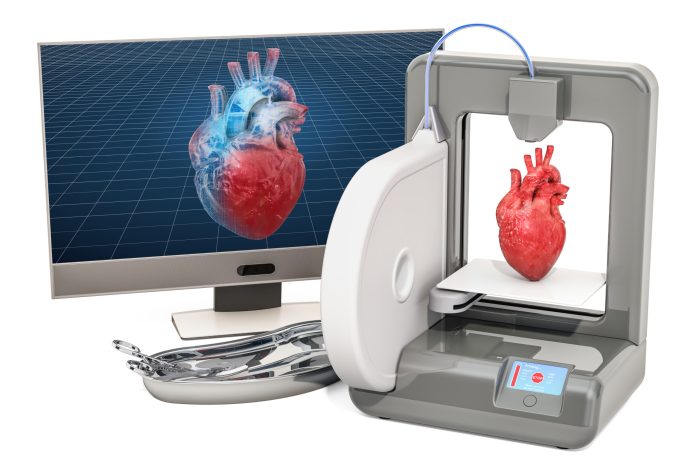
D printing, also known as additive manufacturing, is revolutionizing the medical device industry by enabling the creation of complex and customized devices with unprecedented precision and efficiency. This technology offers significant advantages over traditional manufacturing methods, leading to improved patient outcomes and streamlined healthcare processes. The ability to rapidly prototype and produce customized medical devices is transforming various aspects of healthcare delivery.
Materials and Applications in 3D Printed Medical Devices
The choice of material in 3D printing significantly impacts the application and performance of the resulting medical device. Different materials possess unique properties that make them suitable for specific purposes, influencing biocompatibility, strength, and longevity. The following table summarizes some common materials and their applications:
| Material | Application | Advantages | Limitations |
|---|---|---|---|
| Polylactic Acid (PLA) | Surgical guides, anatomical models, temporary implants | Biocompatible, readily available, relatively inexpensive | Lower strength compared to other materials, susceptible to degradation in certain environments |
| Acrylonitrile Butadiene Styrene (ABS) | Jigs, fixtures, housings for medical equipment | Durable, strong, resistant to chemicals | Not biocompatible for direct patient contact, relatively brittle |
| Titanium | Implants (joint replacements, dental implants), surgical instruments | High strength, biocompatible, excellent corrosion resistance | High cost, challenging to process with some 3D printing techniques |
| Polyetheretherketone (PEEK) | Spinal implants, orthopedic devices | High strength, biocompatible, sterilizable, high temperature resistance | High cost, requires specialized 3D printing techniques |
| Resins (e.g., photopolymers) | Dental models, surgical guides, splints | High precision, detailed structures possible, rapid prototyping | Lower strength than some other materials, can be brittle |
3D Printing Process for Prosthetics and Implants
The creation of 3D printed prosthetics and implants involves a multi-step process that leverages digital design and additive manufacturing techniques.
- Imaging and Design: High-resolution medical imaging (e.g., CT scans, MRI) is used to create a 3D digital model of the patient’s anatomy. This model is then used to design a custom prosthetic or implant that precisely fits the individual’s needs.
- CAD Modeling: Using specialized computer-aided design (CAD) software, engineers and designers refine the digital model, ensuring it meets all necessary biomechanical and functional requirements. This stage often involves simulations to test the design’s strength and durability.
- 3D Printing: The finalized CAD model is then sent to a 3D printer, which layer-by-layer builds the device using the selected material. The printing process may involve techniques like selective laser melting (SLM) for metal implants or stereolithography (SLA) for polymer-based prosthetics.
- Post-Processing: After printing, the device undergoes post-processing steps, such as cleaning, surface finishing, and sterilization. This ensures the device is biocompatible and ready for implantation or use.
- Quality Control: Rigorous quality control checks are performed to verify the device’s dimensions, integrity, and biocompatibility before it is used on a patient.
- Implantation/Fitting: Finally, the custom-made prosthetic or implant is fitted to the patient, providing a personalized solution that improves functionality and quality of life.
Advantages of 3D Printing in Medical Device Manufacturing
D printing offers several advantages over traditional manufacturing methods for medical devices:
- Customization: 3D printing allows for the creation of highly customized devices tailored to individual patient anatomy and needs, resulting in improved fit, comfort, and functionality.
- Reduced Lead Times: The additive nature of 3D printing significantly reduces manufacturing lead times compared to subtractive methods, enabling faster delivery of medical devices to patients.
- Cost-Effectiveness: While initial investment in 3D printing equipment can be substantial, the process can be cost-effective for producing small batches of highly customized devices, eliminating the need for expensive tooling and molds.
- Complex Designs: 3D printing allows for the creation of complex internal structures and intricate geometries that are difficult or impossible to produce using traditional methods. This opens up new possibilities for designing more effective and efficient medical devices.
- On-Demand Manufacturing: 3D printing enables on-demand manufacturing, allowing for the creation of devices only when needed, minimizing waste and storage costs.
Impact of 3D Printing on Medical Research
- D printing has revolutionized medical research, offering unprecedented capabilities for creating accurate anatomical models and facilitating advancements in regenerative medicine. Its impact spans various areas, from surgical planning and pre-operative visualization to the development of innovative biomaterials and personalized therapies. This section will explore the significant contributions of 3D printing to the advancement of medical research.
- D printing facilitates the creation of highly detailed and accurate anatomical models for surgical planning and medical research by allowing for the reproduction of patient-specific anatomy from medical imaging data such as CT scans and MRI scans. These models provide surgeons with a tangible representation of the patient’s unique anatomy, enabling them to better plan complex procedures and anticipate potential challenges.
Furthermore, researchers can use these models to study disease progression, test new surgical techniques, and develop innovative medical devices.
Surgical Planning Using 3D-Printed Models
The use of 3D-printed models in surgical planning offers several advantages over traditional methods. Traditional methods often relied on 2D images and physical examination, limiting the surgeon’s ability to fully comprehend the three-dimensional complexity of the anatomy.
- Improved Pre-operative Planning: 3D models allow surgeons to visualize the anatomy from all angles, identify potential complications, and rehearse the procedure before surgery, leading to reduced operative time and improved patient outcomes. For example, a surgeon planning a complex craniofacial surgery can use a 3D-printed skull model to practice the surgical approach and identify potential obstacles, minimizing the risk of complications during the actual procedure.
- Enhanced Communication with Patients: 3D models can be used to explain the surgical procedure to patients in a clear and understandable way, improving patient comprehension and reducing anxiety. A patient scheduled for a hip replacement can see a 3D-printed model of their own hip joint, making the surgical plan easier to grasp.
- Improved Surgical Precision: 3D models enable surgeons to plan more precise incisions and implant placement, leading to improved surgical accuracy and reduced trauma to surrounding tissues. In orthopedics, 3D-printed bone models can help surgeons plan the precise placement of implants, ensuring optimal functionality after the surgery.
3D Bioprinting in Regenerative Medicine and Tissue Engineering
D bioprinting holds immense potential for revolutionizing regenerative medicine and tissue engineering. This technology enables the creation of functional tissues and organs by precisely depositing bioinks (containing cells, growth factors, and biomaterials) layer by layer, mimicking the natural structure and function of tissues.
- Organ and Tissue Regeneration: 3D bioprinting can be used to create functional tissues and organs for transplantation, addressing the critical shortage of donor organs. Research is ongoing to create functional liver tissue, skin grafts, and even more complex organs like kidneys.
- Drug Screening and Development: 3D-printed tissues can be used to test the efficacy and safety of new drugs, reducing the reliance on animal models and accelerating the drug development process. This allows for more accurate predictions of drug behavior in humans.
- Personalized Medicine: 3D bioprinting allows for the creation of patient-specific tissues and organs, tailored to the individual’s unique genetic and physiological characteristics. This opens the door to truly personalized therapies.
- Wound Healing: 3D-printed scaffolds can be used to promote wound healing by providing a structural support for tissue regeneration. This is particularly relevant for treating chronic wounds and burns.
3D Printing and Personalized Medicine
D printing is revolutionizing healthcare by enabling the creation of personalized medical devices tailored to individual patient needs. This technology moves beyond mass-produced, one-size-fits-all solutions, offering unprecedented precision and customization in the design and manufacture of medical implants, prosthetics, and surgical tools. The ability to generate complex geometries and incorporate patient-specific anatomical data opens doors to improved treatment outcomes and enhanced patient comfort.The power of 3D printing lies in its ability to translate digital patient data—such as CT or MRI scans—directly into physical medical devices.
This allows for the creation of implants that perfectly match a patient’s unique anatomy, ensuring a precise fit and minimizing the risk of complications. For example, surgeons can use 3D-printed models to plan complex procedures, creating customized surgical guides that improve accuracy and reduce surgical time. Furthermore, the ability to integrate multiple materials into a single print allows for the creation of devices with specific properties tailored to the patient’s needs, such as customized biocompatibility or strength characteristics.
Customized Prosthetics and Implants
D printing is significantly impacting the field of prosthetics and implants, enabling the creation of customized devices that offer superior functionality and comfort compared to traditional methods. The process typically begins with acquiring detailed anatomical data of the patient using techniques like CT or MRI scanning. This data is then used to create a 3D digital model of the patient’s limb or affected area.
Using specialized software, designers can then create a custom prosthetic or implant design that perfectly fits the patient’s unique anatomy and functional requirements.The design incorporates factors such as weight, material properties, and aesthetic considerations. Once the design is finalized, it is sent to a 3D printer that uses various materials such as biocompatible polymers, metals, or even composites, depending on the application.
The printing process itself can vary depending on the material and desired precision. For example, selective laser melting (SLM) is often used for metal implants, while fused deposition modeling (FDM) is common for creating polymer prosthetics. After printing, the device undergoes post-processing steps such as cleaning, finishing, and sterilization before being implanted or fitted to the patient.
Hypothetical Scenario: Personalized Cranial Implant
Imagine a patient requiring a cranial implant following a traumatic brain injury. Traditional methods often involve using pre-fabricated implants that may not perfectly match the patient’s skull shape, leading to potential complications and discomfort. With 3D printing, however, a CT scan of the patient’s skull can be used to create a perfectly fitting, personalized implant. The design can incorporate intricate details, ensuring a snug and secure fit.
Furthermore, the implant can be made from a biocompatible material optimized for bone integration, promoting faster healing and reducing the risk of rejection. This personalized approach minimizes post-operative complications, improves the patient’s comfort, and leads to a faster recovery. The 3D-printed implant’s design could also incorporate features to accommodate specific needs, such as channels for drainage or customized attachment points for other medical devices.
This level of personalization is simply not possible with traditional manufacturing techniques.
Examples of Customized Prosthetics and Implants
Several examples showcase the real-world applications of 3D printing in personalized medicine. For instance, 3D-printed titanium implants are increasingly used in orthopedic surgery, offering superior strength and biocompatibility. These implants are designed to perfectly match the patient’s bone structure, resulting in improved stability and faster healing. In the field of prosthetics, 3D printing enables the creation of customized prosthetic limbs that are lighter, more comfortable, and more aesthetically pleasing than traditional options.
The intricate designs can even incorporate features such as sensors and actuators, allowing for more natural movement and control. Furthermore, 3D printing is being used to create personalized surgical guides, which improve the accuracy and efficiency of complex surgical procedures, reducing the risk of complications and improving patient outcomes. These guides are created from patient-specific data and can be used to precisely position implants or guide surgical instruments.
Challenges and Future Trends in 3D Printing for Medical Devices
The rapid advancement of 3D printing technology presents exciting possibilities for the medical device industry, but its widespread adoption faces significant hurdles. Successfully navigating these challenges will unlock the technology’s full potential, leading to more innovative, accessible, and cost-effective medical solutions. This section explores the key obstacles and promising future directions in this dynamic field.
Regulatory Hurdles and Challenges in 3D-Printed Medical Device Adoption
The integration of 3D-printed medical devices into healthcare requires careful consideration of regulatory pathways and associated challenges. Meeting stringent safety and efficacy standards is crucial for patient well-being and market approval.
| Challenge | Impact | Solutions | Future Outlook |
|---|---|---|---|
| Regulatory Approval Process | Lengthy and complex approval processes can delay market entry and increase development costs. This can stifle innovation and limit access to potentially life-saving technologies. | Streamlined regulatory pathways specifically designed for 3D-printed devices; development of standardized testing protocols; increased collaboration between regulatory bodies and manufacturers. | Increased harmonization of global regulatory frameworks; development of faster and more efficient approval processes through advanced data analysis and simulation. |
| Material Qualification and Characterization | Ensuring the biocompatibility, safety, and long-term performance of 3D-printed materials is critical. Lack of standardized testing methods can hinder the approval process. | Development of comprehensive material databases; establishment of standardized testing protocols for biocompatibility and mechanical properties; improved material traceability and quality control. | Advancements in material science leading to the development of novel biocompatible materials with improved properties; automation of material characterization and testing. |
| Reproducibility and Scalability | Ensuring consistent quality and reproducibility of 3D-printed devices across different batches and manufacturing sites is crucial for reliable performance. Scaling up production to meet market demand can also be challenging. | Development of advanced quality control systems; implementation of robust manufacturing processes; utilization of automation and robotics in production. | Advancements in printing technologies allowing for higher throughput and improved precision; development of closed-loop control systems for real-time monitoring and adjustment of printing parameters. |
| Intellectual Property Protection | Protecting intellectual property related to 3D-printed designs and materials is crucial for manufacturers. The ease of replication inherent in 3D printing poses a unique challenge. | Stronger intellectual property protection laws; development of anti-counterfeiting technologies; use of watermarking and other methods to protect designs. | Development of more sophisticated methods for protecting intellectual property; increased collaboration between manufacturers and regulatory bodies to combat counterfeiting. |
Future Trends in 3D Printing Technologies for Medical Devices
The future of 3D printing in medical device manufacturing is marked by continuous advancements in materials and printing techniques, promising to revolutionize the industry.The following key trends are shaping the landscape:
- Bioprinting: This technique allows for the creation of functional tissues and organs, paving the way for personalized organ transplantation and regenerative medicine. For example, researchers are developing bioprinted skin grafts for burn victims, using patient-specific cells and bioinks to create a personalized replacement.
- Multi-material Printing: The ability to print with multiple materials in a single build offers the potential to create devices with complex geometries and functionalities, mimicking the properties of natural tissues. This allows for more precise and effective implants and prosthetics.
- 4D Printing: This advanced technique involves printing materials that change shape or properties in response to external stimuli, such as temperature or pH. This opens up new possibilities for creating adaptive and responsive medical devices.
- Artificial Intelligence (AI) Integration: AI is being increasingly integrated into 3D printing workflows, allowing for automated design optimization, process monitoring, and quality control. This enhances efficiency and precision in the manufacturing process.
- Improved Resolution and Accuracy: Ongoing advancements in printing technologies are leading to higher resolution and accuracy, enabling the creation of more intricate and precise medical devices. This improves the fit and function of implants and prosthetics.
Impact of 3D Printing on the Cost and Accessibility of Medical Devices
D printing has the potential to significantly impact the cost and accessibility of medical devices. On-demand manufacturing can reduce lead times and inventory costs, potentially making devices more affordable. Furthermore, the ability to create customized devices tailored to individual patient needs can improve treatment outcomes and enhance patient satisfaction. For instance, the creation of custom prosthetics using 3D printing can reduce the cost and waiting time compared to traditional methods, making them more accessible to a wider patient population.
Similarly, 3D-printed surgical guides can be produced at a lower cost, improving surgical precision and patient recovery.
Exploring the Intersection of 3D Printing, Medical Devices, Medical Research, and Medical Services
D printing’s transformative impact extends far beyond the manufacturing floor, deeply intertwining with medical device development, medical research advancements, and the delivery of medical services. This intersection fuels innovation, improves patient care, and reshapes the healthcare landscape. The following sections detail how 3D printing significantly affects each of these key areas.
3D Printing’s Impact on Medical Devices
The integration of 3D printing into medical device manufacturing has revolutionized the field, enabling the creation of complex, customized devices previously impossible to produce using traditional methods. This has led to significant improvements in device functionality, patient outcomes, and overall healthcare efficiency.
- Enhanced Design and Functionality: 3D printing allows for intricate designs and internal structures, leading to more efficient and effective medical devices. For example, porous structures in bone implants can promote better bone integration.
- Customization and Personalization: The ability to create patient-specific devices tailored to individual anatomy and needs is a major advantage. This is particularly beneficial in orthopedics, where custom implants can improve fit and reduce complications.
- Reduced Manufacturing Costs and Lead Times: 3D printing can streamline the manufacturing process, reducing costs and lead times for producing medical devices, making them more accessible.
- Improved Device Biocompatibility: Advanced materials used in 3D printing allow for the creation of biocompatible devices that minimize adverse reactions and improve patient tolerance.
3D Printing’s Impact on Medical Research
D printing provides researchers with powerful tools to accelerate discovery and development in various medical fields. Its applications range from creating accurate anatomical models for surgical planning to developing innovative bioprinting techniques for tissue engineering.
- Anatomical Modeling: Highly accurate 3D models of organs and tissues allow surgeons to plan complex procedures more effectively, leading to improved surgical outcomes and reduced risks.
- Drug Discovery and Development: 3D printing facilitates the creation of complex drug delivery systems and scaffolds for testing new drugs and therapies.
- Tissue Engineering and Regenerative Medicine: Bioprinting techniques enable the creation of functional tissues and organs, potentially revolutionizing the treatment of diseases and injuries.
- Development of Medical Training Tools: Realistic anatomical models are used to train medical students and professionals in a safe and effective manner.
3D Printing’s Impact on Medical Services
The use of 3D printing is enhancing the quality and efficiency of medical services in various ways, from improved surgical planning to the creation of customized medical aids.
- Improved Surgical Planning and Precision: 3D-printed models allow surgeons to visualize complex anatomical structures and plan procedures with greater precision, leading to shorter operation times and fewer complications.
- Creation of Customized Medical Aids: 3D printing enables the creation of personalized assistive devices such as prosthetics, orthotics, and splints, improving patient comfort and functionality.
- Point-of-Care Manufacturing: The potential for on-demand production of medical devices and implants at the point of care offers significant advantages in emergency situations and remote areas.
- Enhanced Patient Education and Engagement: 3D-printed models can be used to help patients understand their condition and treatment options, improving their engagement in their care.
Comparison of 3D Printing Applications Across Medical Devices, Research, and Services
While 3D printing impacts each area uniquely, a common thread is the ability to create customized and highly precise solutions. In medical devices, this translates to personalized implants; in research, it means creating bespoke models for experimentation; and in medical services, it leads to tailored assistive devices and improved surgical planning. The key difference lies in the specific application and the ultimate goal – improved device functionality, accelerated research, or enhanced patient care.
Synergy Example: Craniofacial Reconstruction
A compelling example demonstrating the synergy between 3D printing and all three areas is craniofacial reconstruction. Medical imaging (CT scans, MRI) provides the data for 3D modeling (Medical Research). This data is then used to design and 3D print a patient-specific cranial implant (Medical Devices). The surgeon utilizes the 3D-printed model for precise surgical planning (Medical Services), resulting in a successful reconstruction and improved patient outcome.
This illustrates the interconnectedness of these fields, where advancements in one area directly benefit the others.
3D printing’s impact on medical devices extends far beyond mere manufacturing efficiency. It’s fundamentally reshaping how we approach healthcare, fostering personalized medicine, accelerating research breakthroughs, and improving access to critical medical solutions, especially in underserved communities. While regulatory hurdles and technological advancements remain, the future of 3D printing in medicine is bright, promising a future where customized, accessible, and effective healthcare is the norm, not the exception.
FAQ Compilation
What materials are commonly used in 3D printing medical devices?
Common materials include polymers (like ABS, PLA, and PEEK), metals (titanium, stainless steel), and biocompatible resins. The choice depends on the specific application and required biocompatibility.
What are the regulatory pathways for 3D-printed medical devices?
The regulatory landscape varies by country but generally involves stringent testing and approval processes to ensure safety and efficacy, similar to traditional medical devices.
How does 3D printing impact the cost of medical devices?
While initial investment in 3D printing technology can be high, it can potentially reduce long-term costs by enabling on-demand production, minimizing waste, and allowing for customized designs.
What is the role of 3D printing in surgical planning?
3D printing creates accurate anatomical models, allowing surgeons to practice procedures, plan complex operations, and better visualize patient-specific anatomy.