
Physical therapy, a cornerstone of modern healthcare, encompasses a diverse range of services aimed at restoring function, improving mobility, and alleviating pain. From outpatient clinics bustling with activity to the quiet intimacy of home healthcare visits, physical therapy adapts to meet patients where they are. This exploration delves into the multifaceted world of medical services within physical therapy, examining the various treatment modalities, technological advancements, and collaborative approaches that contribute to positive patient outcomes.
We will investigate the roles of cutting-edge medical devices, the impact of evidence-based research, and the vital collaborations between physical therapists and other healthcare professionals. Furthermore, we will analyze the business aspects of running a successful physical therapy clinic, highlighting the complexities of managing operations, marketing strategies, and financial considerations.
Types of Medical Services in Physical Therapy
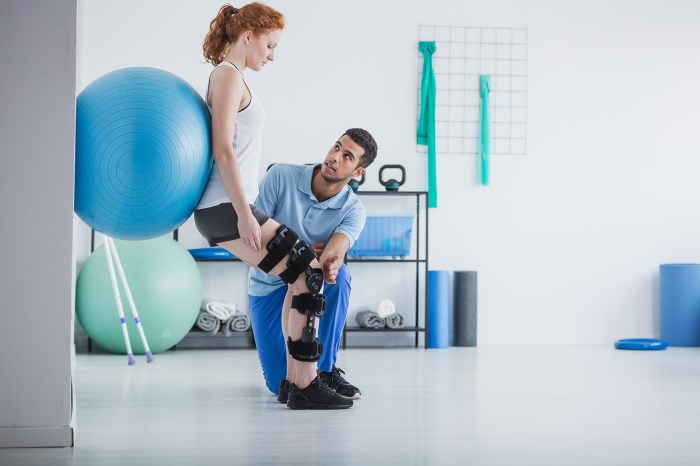
Physical therapy encompasses a wide range of services aimed at restoring, maintaining, and maximizing a patient’s physical function. These services are delivered in various settings, each tailored to the specific needs and circumstances of the individual. The type of setting, the patient’s condition, and the therapist’s specialization all play a role in determining the most appropriate course of treatment.
Outpatient, Inpatient, and Home Health Physical Therapy
Physical therapy services are offered in diverse settings, each with its own advantages and limitations. Outpatient physical therapy takes place in a clinic or office setting, offering convenient access for patients who are relatively mobile and able to travel. In contrast, inpatient physical therapy occurs within a hospital or rehabilitation facility, providing intensive care for patients with more acute or complex conditions requiring close medical supervision.
Home health physical therapy, as the name suggests, delivers services directly to a patient’s residence, beneficial for those with mobility limitations or those who require a comfortable and familiar environment for recovery. The choice of setting depends on the patient’s condition, their ability to travel, and the intensity of care required.
Specialized Physical Therapy Services
Many physical therapists specialize in specific areas of practice, allowing for more targeted and effective treatment. Sports medicine physical therapy focuses on the prevention, diagnosis, treatment, and rehabilitation of injuries sustained during athletic activities. This often involves working with athletes of all levels, from recreational to professional. Pediatric physical therapy addresses the unique needs of children with developmental delays, disabilities, or injuries, focusing on improving motor skills, coordination, and overall physical development.
Geriatric physical therapy concentrates on the physical challenges faced by older adults, often involving the management of age-related conditions such as arthritis, osteoporosis, and balance problems. These specialized areas ensure patients receive highly targeted and effective care.
Cost and Accessibility of Different Physical Therapy Service Types
The cost and accessibility of physical therapy services can vary depending on several factors, including the type of setting, the patient’s insurance coverage, and the geographic location. Generally, outpatient services tend to be more accessible but may require greater patient mobility. Inpatient services offer a higher level of care but can be more expensive and require hospitalization. Home health services offer convenience but might have limited availability depending on location and insurance coverage.
| Service Type | Cost | Accessibility | Typical Patient Profile |
|---|---|---|---|
| Outpatient | Moderate; varies with insurance | High; readily available in many areas | Patients with relatively mild conditions, good mobility |
| Inpatient | High; often requires hospitalization | Moderate; requires hospital admission | Patients with severe conditions requiring intensive care |
| Home Health | Moderate to high; depends on insurance and services needed | Moderate; availability varies by location | Patients with limited mobility, requiring care at home |
The Role of Medical Devices in Physical Therapy
Medical devices play a crucial role in modern physical therapy, significantly enhancing treatment effectiveness and patient outcomes. Technological advancements have led to the development of sophisticated tools that allow therapists to target specific tissues, deliver precise treatments, and monitor progress objectively. This section will explore the impact of these devices, their applications, and the factors considered when selecting appropriate technology for individual patients.
Impact of Technological Advancements
The integration of technology into physical therapy has revolutionized the field. Miniaturization of components has resulted in more portable and user-friendly devices, increasing accessibility for patients in various settings, including home-based rehabilitation. Furthermore, advancements in sensor technology allow for real-time monitoring of patient movement and biofeedback, providing therapists with valuable data to refine treatment plans and measure progress.
This objective data replaces subjective assessment methods, leading to more precise and effective interventions. For example, wearable sensors can track range of motion and muscle activation during exercises, providing immediate feedback to both the patient and therapist. This allows for adjustments in real-time, optimizing the therapeutic process.
Applications of Various Medical Devices
Several medical devices are routinely used in physical therapy to address a wide range of conditions. Ultrasound therapy uses high-frequency sound waves to generate heat deep within tissues, reducing inflammation and promoting healing. Transcutaneous electrical nerve stimulation (TENS) units deliver mild electrical impulses to the skin, stimulating nerves to alleviate pain and muscle spasms. Laser therapy employs low-level lasers to stimulate cellular repair and reduce inflammation, often used for wound healing and pain management.
Other devices, such as continuous passive motion (CPM) machines, assist in restoring joint range of motion after surgery or injury. Each device offers unique therapeutic benefits depending on the specific condition and patient needs.
Comparison of Device Effectiveness
The effectiveness of different medical devices varies depending on the specific condition being treated. For instance, ultrasound therapy is often highly effective in treating musculoskeletal injuries such as sprains and strains, while TENS units are commonly used for pain relief in conditions like back pain and arthritis. Laser therapy has shown promise in promoting wound healing and reducing inflammation in various conditions.
However, it’s crucial to note that the effectiveness of these devices is often enhanced when used in conjunction with other physical therapy interventions such as manual therapy, exercise, and patient education. A comprehensive approach, tailored to the individual patient, generally yields the best outcomes. For example, a patient with a rotator cuff tear might benefit from a combination of ultrasound to reduce inflammation, range-of-motion exercises, and strengthening exercises guided by a therapist.
Medical Device Selection Process
The selection of appropriate medical devices is a critical aspect of effective physical therapy. A systematic approach ensures the right technology is chosen to meet the specific needs of each patient. 
Medical Research and Physical Therapy Advancements
The field of physical therapy is constantly evolving, driven by advancements in medical research and a growing understanding of the human body’s complex mechanisms. This evolution leads to more effective and targeted treatments, improving patient outcomes and enhancing the overall quality of life for individuals facing physical challenges. Recent breakthroughs in various areas have significantly impacted how physical therapists approach rehabilitation and patient care.
Evidence-based practice is the cornerstone of modern physical therapy. This approach relies on the integration of the best available research evidence, clinical expertise, and patient values to guide treatment decisions. By rigorously evaluating the effectiveness of different interventions through clinical trials and research studies, physical therapists can tailor treatment plans to individual patient needs, maximizing positive outcomes while minimizing risks.
This systematic approach ensures that treatments are not only effective but also safe and efficient.
Recent Research Findings and Their Impact on Physical Therapy
Recent research has yielded significant advancements in several key areas, influencing physical therapy practices. For instance, studies on the effectiveness of specific exercises for chronic pain conditions, like osteoarthritis, have led to more precise and targeted exercise prescriptions. Similarly, research on the use of technology in rehabilitation, such as virtual reality and robotics, has opened up new avenues for engaging and effective therapy.
Further advancements in our understanding of neuromuscular mechanisms have led to improved techniques for restoring motor function after injury or stroke.
The Role of Evidence-Based Practice in Guiding Treatment Decisions
Evidence-based practice (EBP) is not merely a guideline; it’s a fundamental principle shaping the delivery of physical therapy services. By critically appraising research findings from randomized controlled trials, cohort studies, and systematic reviews, physical therapists make informed decisions about the most appropriate interventions for each patient. This ensures that treatments are aligned with the best available scientific evidence, leading to more effective and efficient rehabilitation.
The incorporation of patient preferences and values within the EBP framework ensures a personalized and patient-centered approach.
Emerging Trends and Future Directions in Physical Therapy Research
The future of physical therapy research is bright, with several promising trends emerging. One key area is the integration of artificial intelligence (AI) and machine learning to personalize treatment plans and predict patient outcomes. Research is also exploring the use of advanced imaging techniques, such as functional MRI, to better understand the underlying mechanisms of injury and dysfunction.
Furthermore, research focusing on the interplay between physical therapy and other healthcare disciplines, such as mental health and nutrition, is gaining momentum, highlighting the holistic nature of rehabilitation.
Top 5 Most Impactful Medical Research Findings in Physical Therapy (Last Decade)
The following list represents a selection of impactful research, acknowledging that many other significant contributions exist. This list prioritizes studies with broad implications across diverse physical therapy specialties.
- Advances in understanding the role of exercise in chronic pain management: Studies have demonstrated the effectiveness of specific exercise modalities in reducing pain and improving function in conditions such as osteoarthritis and fibromyalgia, leading to widespread adoption of exercise-based interventions.
- The efficacy of telehealth in physical therapy: Research has shown the effectiveness and feasibility of delivering physical therapy services remotely, expanding access to care, particularly for individuals in rural or underserved areas.
- The impact of technology-assisted rehabilitation: Studies exploring the use of virtual reality, robotics, and wearable sensors have demonstrated their potential to enhance rehabilitation outcomes by providing engaging and personalized interventions.
- Improved understanding of the neural mechanisms of motor learning and recovery: Advancements in neuroscience have shed light on the brain’s plasticity and the mechanisms underlying motor recovery after stroke and other neurological conditions, informing more targeted rehabilitation strategies.
- The benefits of early mobilization and exercise after surgery: Research consistently demonstrates the positive effects of early mobilization and exercise in reducing complications and improving recovery time after various surgical procedures.
The landscape of medical services in physical therapy is constantly evolving, driven by technological innovation, groundbreaking research, and a growing emphasis on integrated care. Understanding the diverse services available, the effective utilization of medical devices, and the importance of interdisciplinary collaboration is crucial for optimizing patient care and achieving the best possible outcomes. By embracing advancements and fostering strong partnerships, the field of physical therapy continues to improve the lives of countless individuals.
Question & Answer Hub
What is the difference between physical therapy and physiotherapy?
The terms “physical therapy” and “physiotherapy” are essentially interchangeable; they refer to the same profession and practice.
How do I find a qualified physical therapist?
Consult your physician for a referral or search online directories for licensed physical therapists in your area. Verify their credentials and experience.
Is physical therapy covered by insurance?
Coverage varies depending on your insurance plan. Contact your insurance provider to determine your benefits and any pre-authorization requirements.
What should I expect during my first physical therapy appointment?
Expect a thorough evaluation, including a discussion of your medical history, a physical assessment, and the development of a personalized treatment plan.


