Innovative medical device technologies are revolutionizing healthcare, offering minimally invasive procedures, AI-powered diagnostics, and personalized treatments. This rapid advancement is driven by breakthroughs in nanotechnology, robotics, and data analytics, leading to improved patient outcomes and enhanced healthcare efficiency. However, this progress also presents challenges, including regulatory hurdles, ethical considerations, and the need for robust data privacy measures.
From the precision of robotic surgery to the potential of AI-driven early disease detection, these technologies are reshaping the medical landscape. This exploration delves into the key trends, impacts, and ethical implications of this transformative field, examining both the immense potential and the inherent complexities involved.
Emerging Trends in Innovative Medical Device Technologies
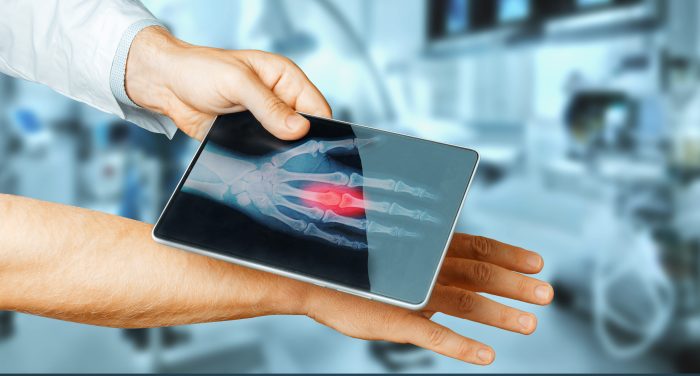
The field of medical device technology is experiencing a period of rapid innovation, driven by advancements in materials science, computing power, and our understanding of the human body. These advancements are leading to safer, more effective, and less invasive treatments for a wide range of conditions. This section will explore some of the most significant emerging trends shaping the future of healthcare.
Emerging Trends in Minimally Invasive Surgical Devices
Minimally invasive surgery (MIS) continues to evolve, offering patients faster recovery times, reduced scarring, and lower risks of infection. Several key trends are driving this progress.
| Trend | Description | Benefits | Challenges |
|---|---|---|---|
| Robotic Surgery | Utilizing robotic arms controlled by surgeons to perform complex procedures with enhanced precision and dexterity. | Improved surgical accuracy, smaller incisions, reduced trauma, shorter hospital stays. | High initial costs, specialized training required, potential technical malfunctions. |
| Single-incision surgery | Performing surgery through a single small incision, minimizing scarring and trauma. | Improved cosmesis, reduced pain, faster recovery. | Requires specialized instruments and training, limited access to surgical field in some cases. |
| Image-guided surgery | Using real-time imaging (ultrasound, CT, MRI) to guide surgical instruments and improve accuracy. | Enhanced visualization, improved precision, reduced risk of complications. | Requires specialized equipment and training, potential for image artifacts. |
| Smart surgical instruments | Instruments embedded with sensors and actuators to provide real-time feedback to the surgeon. | Improved precision, force control, tissue identification. | Integration complexity, data management challenges, potential for sensor failure. |
| 3D-printed surgical tools and implants | Custom-designed instruments and implants created using 3D printing technology, tailored to individual patient needs. | Improved fit and function, reduced risk of complications, potential for personalized medicine. | Material limitations, regulatory hurdles, cost-effectiveness concerns. |
Advancements in AI-Powered Diagnostic Tools and Their Impact on Patient Care
Artificial intelligence (AI) is rapidly transforming medical diagnostics, offering the potential to improve accuracy, speed, and accessibility of healthcare. The integration of AI algorithms into diagnostic tools is leading to earlier and more accurate diagnoses, personalized treatment plans, and improved patient outcomes.AI-powered diagnostic tools are enhancing various aspects of patient care. Examples include:
- AI-powered image analysis for faster and more accurate detection of cancers (e.g., skin cancer, lung cancer) and other diseases from medical images (X-rays, CT scans, MRIs).
- AI algorithms for analyzing electrocardiograms (ECGs) to detect arrhythmias and other cardiac conditions.
- AI-driven systems for predicting patient risk of readmission or complications after surgery.
- AI-powered diagnostic tools for analyzing pathology slides to assist pathologists in making diagnoses.
- AI chatbots for providing initial medical consultations and triaging patients.
Nanotechnology in Innovative Drug Delivery Systems
Nanotechnology offers the potential to revolutionize drug delivery by enabling targeted drug release, improved bioavailability, and reduced side effects. Various nanomaterials are being explored for their ability to carry and deliver therapeutic agents to specific sites within the body.
| Method | Description | Advantages | Disadvantages |
|---|---|---|---|
| Liposomes | Vesicles composed of phospholipid bilayers that encapsulate drugs. | Biocompatible, biodegradable, can target specific cells or tissues. | Limited drug loading capacity, potential for instability. |
| Nanoparticles | Solid particles with diameters ranging from 1 to 100 nanometers, capable of carrying drugs. | High drug loading capacity, enhanced permeability and retention effect (EPR), can be functionalized for targeted delivery. | Potential for toxicity, challenges in controlling drug release kinetics. |
| Dendrimers | Highly branched, three-dimensional polymeric nanostructures with multiple drug-loading sites. | High drug loading capacity, controlled drug release, potential for targeted delivery. | Synthesis complexity, potential for toxicity. |
Regulatory Landscape and Ethical Considerations
The rapid advancement of innovative medical device technologies necessitates a thorough understanding of the complex regulatory landscape and the ethical implications inherent in their development and deployment. Navigating these challenges is crucial for ensuring patient safety, promoting responsible innovation, and fostering public trust. This section will explore the key regulatory hurdles, ethical considerations surrounding AI in medical devices, and best practices for patient data privacy and security.
Key Regulatory Hurdles for Innovative Medical Devices
Gaining regulatory approval for novel medical devices is a significant undertaking, often involving a lengthy and complex process. Manufacturers must demonstrate the safety and effectiveness of their devices through rigorous testing and documentation, complying with stringent regulations that vary across different jurisdictions. These hurdles can significantly impact the time and cost associated with bringing innovative devices to market.
- Extensive Pre-market Testing and Clinical Trials: Demonstrating safety and efficacy requires comprehensive pre-market testing and often large-scale clinical trials, a process that can be both time-consuming and expensive.
- Stringent Regulatory Approvals: Securing regulatory approvals from agencies like the FDA (in the US) or the EMA (in Europe) involves navigating complex submission requirements and potentially facing delays or requests for additional data.
- Compliance with International Standards: Manufacturers must ensure their devices meet various international standards and regulations, adding to the complexity of the approval process.
- Post-Market Surveillance: Even after receiving approval, manufacturers are required to conduct post-market surveillance to monitor the device’s performance and address any potential safety concerns, adding to long-term costs and responsibilities.
- Regulatory Uncertainty for Emerging Technologies: The rapid pace of technological advancements, particularly in areas like AI and machine learning, often creates regulatory uncertainty, making it challenging for manufacturers to navigate the approval process for novel technologies.
Ethical Implications of AI in Medical Device Decision-Making
The integration of artificial intelligence (AI) into medical devices presents significant ethical considerations, particularly concerning the potential for bias, transparency, and accountability. AI algorithms are trained on data, and if that data reflects existing societal biases, the AI may perpetuate or even amplify those biases in its decision-making. Furthermore, the “black box” nature of some AI algorithms can make it difficult to understand how they arrive at their conclusions, raising concerns about transparency and accountability.
- Algorithmic Bias: AI algorithms trained on biased data may lead to inaccurate or discriminatory diagnoses and treatment recommendations, disproportionately affecting certain patient populations. For example, an AI-powered diagnostic tool trained primarily on data from one demographic group might perform poorly on patients from other groups.
- Lack of Transparency and Explainability: The complexity of some AI algorithms can make it difficult to understand their decision-making process, making it challenging to identify and correct errors or biases. This lack of transparency can erode trust in the technology and hinder accountability.
- Responsibility and Liability: Determining liability in cases of AI-related medical errors can be complex. Is the manufacturer, the healthcare provider, or the AI algorithm itself responsible? Clear guidelines and legal frameworks are needed to address this issue.
- Patient Autonomy and Informed Consent: Patients need to be fully informed about the role of AI in their care and have the opportunity to provide informed consent. This requires clear communication about the limitations and potential risks of AI-powered medical devices.
Guidelines and Best Practices for Patient Data Privacy and Security in Connected Medical Devices
The increasing use of connected medical devices raises significant concerns about patient data privacy and security. These devices often collect and transmit sensitive patient information, making them potential targets for cyberattacks and data breaches. Robust security measures and adherence to relevant regulations are essential to protect patient data.
- Compliance with Data Privacy Regulations: Manufacturers must comply with relevant data privacy regulations, such as HIPAA (in the US) or GDPR (in Europe), ensuring the secure collection, storage, and processing of patient data.
- Robust Cybersecurity Measures: Implementing robust cybersecurity measures, including encryption, access controls, and regular security audits, is crucial to protect patient data from unauthorized access and cyberattacks.
- Data Minimization and Purpose Limitation: Collecting only the necessary patient data and using it only for its intended purpose helps minimize the risk of data breaches and misuse.
- Transparency and Data Control: Patients should be informed about how their data is being collected, used, and protected, and they should have control over their data.
- Regular Security Updates and Patching: Manufacturers must provide regular security updates and patches to address vulnerabilities and protect against emerging threats.
The integration of innovative medical devices promises a future where healthcare is more precise, personalized, and accessible. While challenges remain in navigating regulatory pathways, addressing ethical concerns, and ensuring data security, the potential benefits for patients are undeniable. Continued research, collaboration, and responsible innovation are crucial to fully harness the transformative power of these technologies and build a healthier future.
FAQ Resource
What are the biggest challenges in bringing a new medical device to market?
Significant challenges include navigating complex regulatory processes (e.g., FDA approval), securing funding for research and development, and demonstrating clinical efficacy and safety through rigorous testing.
How does AI impact the ethical considerations surrounding medical devices?
AI raises ethical concerns regarding algorithmic bias, data privacy, responsibility for diagnostic errors, and the potential displacement of human medical professionals. Ensuring transparency, accountability, and fairness in AI-driven medical decisions is paramount.
What is the role of 3D printing in medical device development?
3D printing allows for the creation of highly customized implants, prosthetics, and surgical tools, leading to improved patient outcomes and potentially reduced costs by enabling mass personalization.
How do wearable health monitors improve preventative healthcare?
Wearable devices continuously monitor vital signs, activity levels, and sleep patterns, providing valuable data for early disease detection, personalized health management, and improved patient engagement in preventative care.